
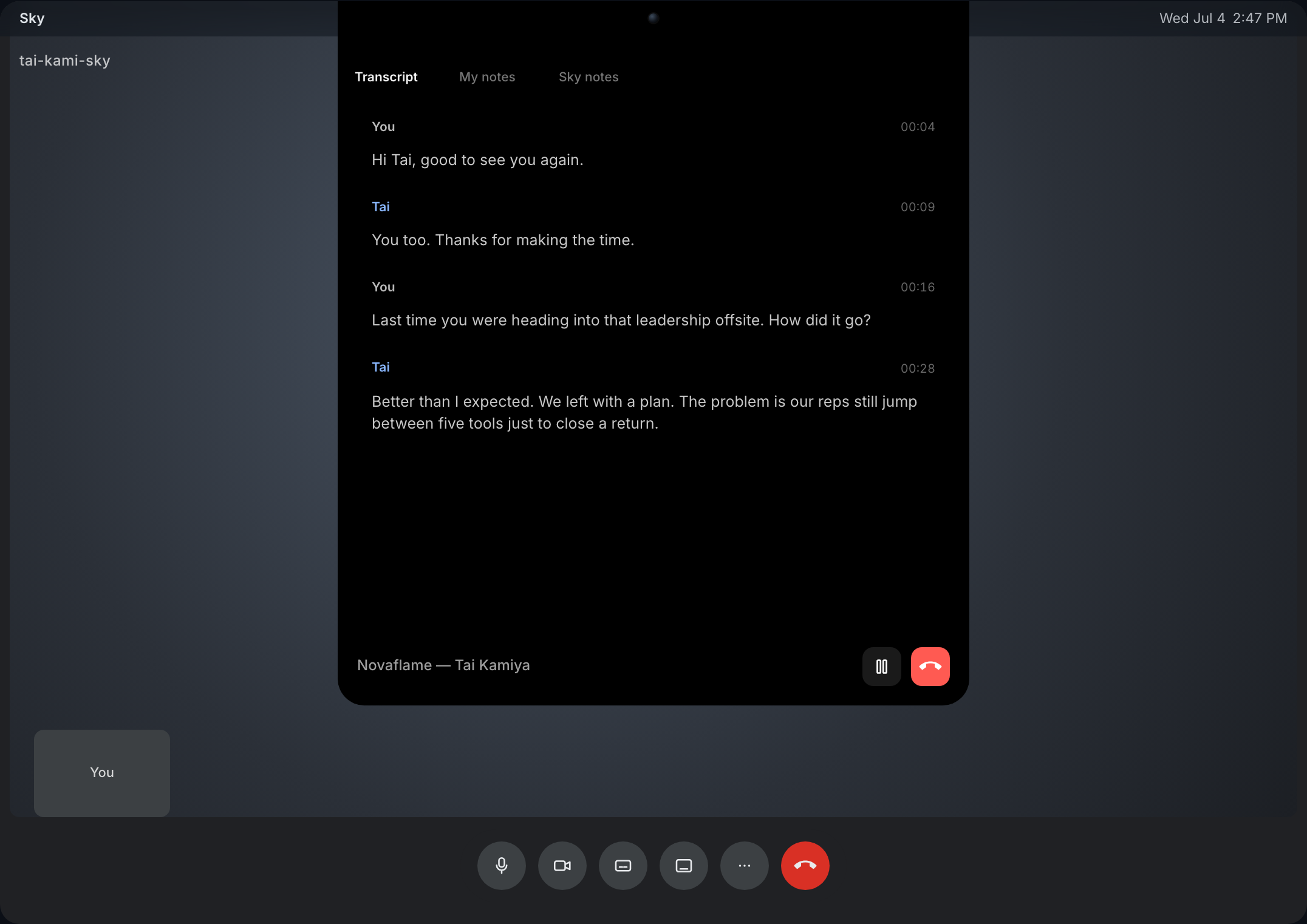




How to run a discovery call: GREAT + SPIN
A practical structure for moving from rapport to real business impact without turning the call into an interrogation.

“Structure should make curiosity easier.”
GREAT opens the conversation: goals, reality, exploration, agreement, and transition. It gives both people a shared map without scripting every sentence.
SPIN deepens what matters: situation, problem, implication, and need-payoff. Use it selectively—the goal is understanding, not completing a checklist.
A structure should create room for better questions.
GREAT gives the call a beginning, middle, and end: goals, reality, exploration, agreement, transition. It prevents the meeting from becoming a tour of every possible question.
SPIN helps when the conversation needs depth. Situation establishes the facts. Problem finds the friction. Implication makes the cost visible. Need-payoff lets the customer describe why change would matter.
End with an agreement, not a calendar invite.
Before scheduling another meeting, name what each side believes, what must be learned next, who needs to join, and why the next conversation is worth having. If the reason is vague, the deal is still vague.
Structure earns trust when it makes the conversation more human—not more mechanical.